How we test espresso machines
I'm Marco Bianchi. I pulled shots behind a bar for years before I got obsessed with doing it at home, and I've owned, dialed in, modded and torn down most of the machines on this site. The Daily Pull exists because too many espresso reviews just retype the spec sheet. A spec sheet won't tell you what a machine feels like at 6 a.m. when you're under-caffeinated and the grinder is half a click off. So I run these machines the way you actually would: for weeks, with real beans, until I know where each one shines and where it fights you. Here's exactly how that works.
We pull real shots, for weeks
Every machine here earns its place by making coffee in my kitchen, not by sitting on a bench while I read its manual. When a machine arrives, the first week is just getting to know it: figuring out where the grind wants to be, how the puck behaves, what a good shot looks like coming out of that particular group.
From there it becomes my daily driver. I pull at least 20 shots per machine across the testing window, splitting them between a light and a dark roast so I can see how the group handles two very different beans. Singles and doubles, morning and afternoon, weighing the dose going in and the yield coming out so I'm judging numbers, not just a hunch. I'm watching for the stuff you only notice over time. Does the first shot of the day taste the same as the third? Does the portafilter clog up with channeling when I'm rushing? Does a machine that felt great on day one start to annoy me by week two? None of that shows up in a one-afternoon test.
My target is a shot that runs in roughly 25 to 30 seconds and tastes balanced, with real body and a sweet finish. When I can't get there on a machine, I want to know whether that's the machine or me, so I keep adjusting until I'm sure. New to all of this? Start with our best espresso machine for beginners guide and our walkthrough on how to use an espresso machine before you read the deep reviews.
Dialing in the grind, every time
The grind shapes the shot more than almost any other variable, so I refuse to judge a machine until I've found its sweet spot. Put world-class hardware behind a careless grind and you get sour, fast, watery espresso every time. Before any verdict, I work the grind properly and give the machine a fair run.
On all-in-one machines with a built-in grinder, I work through their settings. The Breville Barista Express gives you 16 grind steps; the Barista Pro bumps that to 30 for finer control, and the De'Longhi Magnifica Evo has 13. I run through enough of those settings to find where each one actually pulls a good shot, adjust dose and tamp to match, then judge it from there.
For machines without a grinder, the Gaggia Classic Pro, the Rancilio Silvia and the Breville Dual Boiler, I pair them with a quality standalone burr grinder before a single shot counts. That grinder is what unlocks the hardware, and skipping it would make the whole test meaningless. It also moves the real number: a $450 Gaggia plus a grinder worth pairing with it lands closer to $700 to $850 all in, and I work out the equivalent total for each grinderless machine in its review so nobody gets surprised at checkout. For how those totals add up across the catalog, see how much an espresso machine really costs, and read espresso grind size if you want the full picture on grind. The Gaggia ships with both a pressurized and a non-pressurized basket, so I test both: the pressurized basket forgives a rough grind and helps beginners, but it caps how good the espresso can get, and that tradeoff goes in the writeup.
Steam power and temperature stability
Espresso is only half the machine. If you drink lattes or cappuccinos, milk is where a lot of machines fall apart, so I steam pitcher after pitcher. I'm looking for tight, glossy microfoam that pours latte art, not big soapy bubbles. I time how long it takes to froth a standard 12 oz pitcher and watch whether the steam holds pressure all the way through or sputters out halfway.
Single-boiler machines like the Gaggia Classic Pro and the Rancilio Silvia make you wait and switch between brewing and steaming temperatures, so I time that recovery between brew and steam and report the lag, because it shapes your morning routine. The Breville Dual Boiler runs two stainless boilers so you can brew and steam at the same time, and I confirm that holds up under back-to-back drinks. The Barista Express steams manually with a pressure gauge to guide you; the Magnifica Evo uses a manual frother on this model rather than full one-touch milk, and I describe what that actually means at the cup.
Temperature stability decides everything downstream. A machine that drifts between shots gives you inconsistent coffee no matter how good your technique is, so I pull repeat shots back to back and check that shot two tastes like shot one. PID control on the Express, the Pro and the Dual Boiler holds brew temperature steady through that test. The Silvia has no PID from the factory, which is exactly why so many owners add one as a mod, and I cover that path.
Build quality, maintenance and living with it
A machine you'll keep for ten years is built differently from one you'll replace in three. I check the portafilter (a 58mm commercial size like the Gaggia, Silvia and Dual Boiler use feels and performs differently from the 54mm on the Breville all-in-ones), the heft and materials, and how solid the controls feel under daily use. The Silvia's commercial-grade build and weight (around 30 lbs) tell a different story than a lighter all-in-one, and a 16 lb Gaggia is built to be opened up and modded.
Then comes the part nobody enjoys: upkeep. I run the cleaning and descaling routines, see how fussy they are, how easy the drip tray and water tank are to handle, and whether the machine nags you to maintain it. Reliability notes come from actually living with these over weeks, plus what holds up in the wider owner community, because a known weak point matters before you spend the money. For the buying-decision version of all this, see what to look for in an espresso machine.
How we score and why
I rate every machine on four things that actually decide whether you'll be happy:
- Shot quality: can it pull genuinely good espresso once it's dialed in? This carries the most weight, because it's the whole point.
- Ease of use: how steep is the learning curve, and how forgiving is it day to day? A super-automatic like the Magnifica Evo wins big here but trades away control and ceiling, while a Silvia demands more of you and rewards it. Our semi-automatic vs super-automatic breakdown digs into that tradeoff.
- Build quality: materials, portafilter, longevity, and how serviceable it is over years.
- Value: what you get for the money, with the true cost included. That means counting a standalone grinder where one is needed.
Here's roughly how those priorities shake out for the kind of buyer each machine suits:
| If you want | What we weigh most | Where to start |
|---|---|---|
| Best shot in the cup | Shot quality, temperature stability | Prosumer machines |
| Easiest first machine | Ease of use, value | All-in-one with grinder |
| Push-button convenience | Ease of use, consistency | Super-automatics |
| Most coffee per dollar | Value, build quality | Budget machines |
I don't grade on a curve and I don't hand out a high score just because something is expensive. Cheap machines that punch above their price get credit for it; pricey ones that don't earn it get called out.
Specs, prices and independence
Every spec on this site, boiler type, portafilter size, pump pressure, water tank capacity, grind settings, weight, gets pulled from the maker's own documentation and checked by hand. If I can't confirm a number, it doesn't go in. I'd rather leave a gap than guess, because a made-up spec is how you end up buying the wrong machine.
Prices move, so treat the figures here as ballpark: the Gaggia Classic Pro sits around $450, the Breville Dual Boiler around $1,600, with the rest in between. Check the current number before you buy. When you head to a retailer like Whole Latte Love, Seattle Coffee Gear or Clive Coffee to compare prices, some of those are affiliate links and we may earn a commission. That changes nothing about what I write. The links never move a machine up or down a ranking. When the cheaper machine is the right one, that's what the review says, commission or not.
You can read more about the person behind these tests on the about page and our full affiliate disclosure. The whole point of The Daily Pull is simple: tell you what I'd tell a friend over the bar, then let you decide.
Compare our tested top picks side by side, with real specs, photos and honest pros and cons.
Independent and reader-supported. Some links in our reviews are affiliate links that never change our rankings. How we test.
Frequently asked questions
How long do you test each espresso machine?
Weeks, not an afternoon. The first week is dialing in the grind and learning how each machine behaves. After that it's daily use: at least 20 shots across a light and a dark roast, dose and yield weighed, milk steamed, and the full cleaning and descaling routine. The flaws that only show up over time, inconsistent shots, fussy maintenance, steam that fades, are exactly the ones I'm watching for.
Do affiliate links affect your rankings?
No. Some retailer links here are affiliate links and we may earn a commission if you buy through them. That has zero influence on scores or rankings. I rate machines on shot quality, ease of use, build and value, and I'll happily point you to a cheaper machine over an expensive one. The commission never changes what the review says.
Why does the grinder matter so much in your testing?
Because the grind shapes the shot more than almost any other variable. A great machine behind a careless grind makes sour, watery coffee. Before I judge anything, I dial in the grind properly. For machines without a built-in grinder, like the Gaggia, Rancilio Silvia and Breville Dual Boiler, a separate quality burr grinder is essential, and it pushes the real total well past the sticker price. See how much an espresso machine really costs at /how-much-is-an-espresso-machine/.
What exactly do you score machines on?
Four things: shot quality (the biggest factor, can it pull genuinely good espresso once dialed in), ease of use (the learning curve and how forgiving it is day to day), build quality (materials, portafilter, longevity and serviceability), and value (what you get for the money, including a standalone grinder when one is needed). Price alone never earns a high score.
Where do your specs and prices come from?
Every spec is pulled from the maker's own documentation and checked by hand. If I can't confirm a number, it stays out of the review rather than getting guessed at. Prices move constantly, so the figures here are ballpark and you should confirm the current price at the retailer before buying.
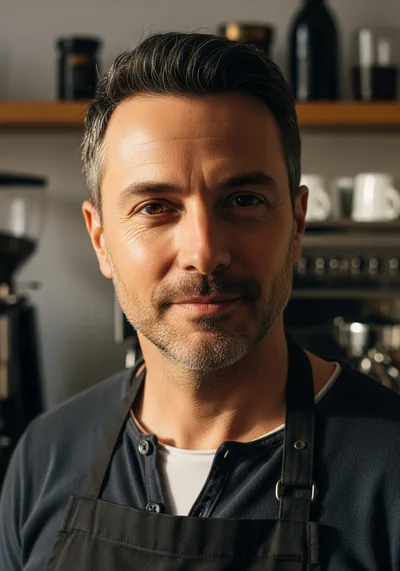
I pulled shots behind a bar for years and now obsess over home espresso. I own and tear down these machines and write every review and guide here. I rank by what makes good coffee, not by who pays the most. How we test →