Best espresso machine with a built-in grinder
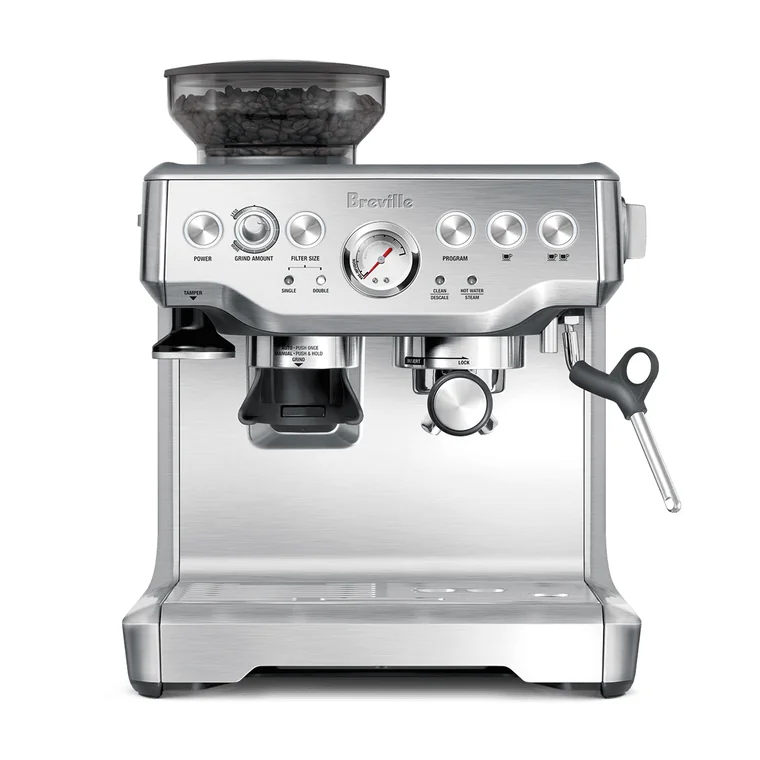
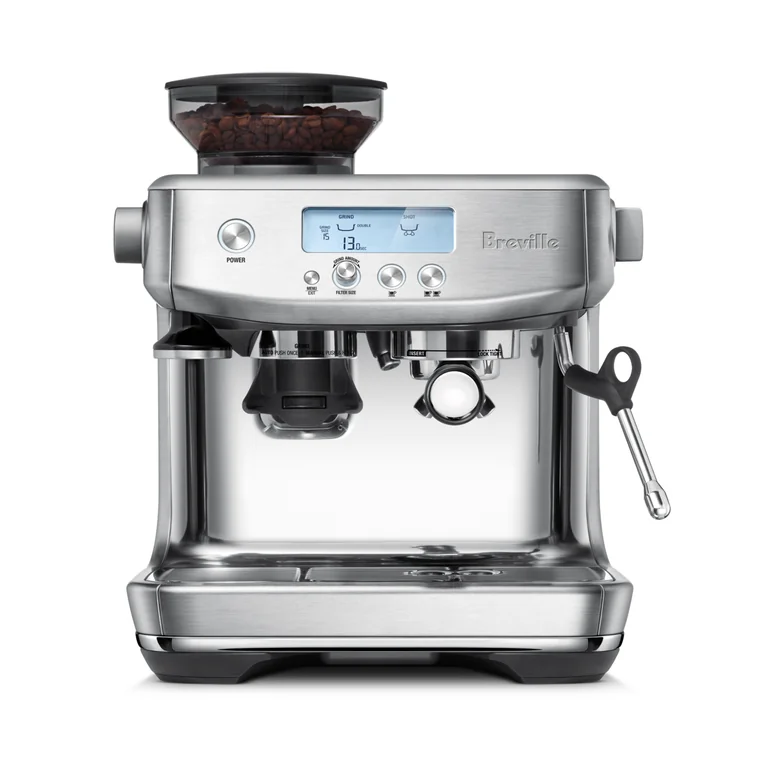
A $1,500 machine fed stale, uneven grounds will lose to a $400 machine fed fresh ones, and I have watched that happen on my own counter more than once. That is the whole case for buying an all-in-one: the grinder is dialed to feed this exact brew head, so your dose lands fresh and consistent without a second appliance, a second purchase or a second learning curve. You are not just saving counter space, you are skipping the part where beginners pair a decent machine with a bad grinder and wonder why every shot tastes flat. I have spent years pulling shots on these specific models, and this page ranks the all-in-ones that actually deliver a real espresso, not the ones with the flashiest screen.
Why one box instead of two
Espresso people will tell you to buy your machine and grinder separately, and that advice is sound. I still hand it to anyone chasing the last 10 percent of cup quality. It skips over what most people actually want, though: to make a solid latte at home tomorrow morning without a second appliance, a second purchase and a second learning curve.
An all-in-one collapses that into one footprint and one workflow. You grind straight into the portafilter, tamp, lock in and pull, all in the same square of counter. There is no tub of pre-ground coffee going stale, no transferring grounds and spilling half of them, no buying a $300 grinder on top of the machine. That tight loop matters most for a beginner, because the faster you can pull and taste and adjust, the faster you actually learn.
What do you give up? Only the top end. The grinders built into these machines are good, not elite. They are conical burr grinders, they hold a setting, and they dose consistently enough to dial in. A dedicated grinder in the $300 to $500 range will still out-grind any of them. So an all-in-one is the best starting point and a genuinely good long-term machine for most homes, and if you later catch the bug, you can add a standalone grinder while the machine itself keeps earning its place. The grind is where most home espresso problems begin, which is why I broke it down in full in my guide to espresso grind size.
My top picks at a glance
| Machine | Price | Grinder | Heat system | Portafilter | Best for |
|---|---|---|---|---|---|
| Breville Barista Express | Around $700 | 16 settings, conical burr | Single ThermoCoil, PID | 54mm | First all-in-one, best value |
| Breville Barista Pro | Around $900 | 30 settings, conical burr | ThermoJet, 3 second heat up, PID | 54mm | Faster mornings, finer grind control |
| De'Longhi Magnifica Evo | Around $700 | 13 settings, conical burr | Bean to cup, one touch | Internal (super automatic) | Push button, zero fuss |
Two of these are semi-automatic machines that ask you to grind, tamp and steam yourself. The third, the Magnifica Evo, is a super-automatic that handles all of it behind a button. They are not really competing for the same person, and I will point you to the right one below. If you want to see how I put each through its paces, here is how I test these machines.
Best overall: Breville Barista Express
Want one machine to recommend to a friend who has never pulled a shot? This is still it. The Barista Express runs around $700 and packs an integrated conical burr grinder with 16 grind settings, a 54mm portafilter, a single ThermoCoil heating system with PID temperature control, a 15-bar Italian pump and a 67 oz tank. It weighs about 23 lbs, so it sits put while you tamp.
What makes it work for beginners is the loop I keep coming back to. You set a grind size and a dose, grind into the basket, tamp, and pull while watching the pressure gauge on the front. That gauge is a real teaching tool. When your shot gushes out in eight seconds and the needle barely twitches, you grind finer. When it chokes and drips, you back off. Most people are pulling something they are proud of within a week. The included pressurized basket flatters a slightly off grind to get you started, and you graduate to the non-pressurized basket once your technique is there.
The grinder is the quiet hero here. Sixteen settings is enough to find espresso range with most beans, and because it grinds straight into the portafilter, your dose stays fresh and your retention is low. Steaming is manual with a real steam wand, so you texture milk yourself instead of pressing a button, which is exactly what you want if latte art is anywhere on your horizon. I go deeper on every quirk in my Breville Barista Express review, and you can check current pricing at Whole Latte Love.
Best step up: Breville Barista Pro
The Barista Pro is what the Express becomes when you spend roughly $200 more, landing around $900. Two upgrades carry it. The ThermoJet heating system heats up in about three seconds, so you go from cold machine to ready in the time it takes to grab a cup, and if you are pulling shots before work that change alone is worth the money. The integrated grinder also jumps from 16 settings to 30, which gives you finer control when you are zeroing in on a fussy single origin.
It keeps the same 54mm portafilter, the same 15-bar pump and PID control, and swaps the analog pressure gauge for an LCD display that shows shot timing and grind info. The shot it pulls sits in the same league as the Express. You are not paying for better espresso so much as for a faster, more convenient, slightly more precise path to it.
So who should size up? People who hate waiting in the morning, and people who already know they are going to chase grind dialing as a hobby. Torn between the two? I wrote a full head to head at Barista Express vs Barista Pro, and the long version lives in my Breville Barista Pro review. Either way, you can compare both at Breville.
The push button option: De'Longhi Magnifica Evo
Not everyone wants to learn a craft at 6 a.m. The Magnifica Evo is a super-automatic bean-to-cup machine that runs around $700 and does the whole job for you. It has an integrated conical burr grinder with 13 settings, makes 6 one-touch beverages (espresso, coffee, latte, latte macchiato, cappuccino and hot water), and lets you customize strength and volume. This particular model uses a manual milk frother rather than an automatic carafe, so you froth the milk yourself with a wand, which actually makes it a touch more flexible than the fully automatic versions.
Here is the catch on the Evo specifically: you give up tamping and fine extraction control, so its espresso, while good and consistent, lands a notch below a well dialed Barista Express shot. That is the deliberate bargain a super-automatic strikes, and I unpack exactly where the line falls in semi-automatic vs super-automatic. What the Evo hands you in return is genuine zero fuss. Beans go in the top, you press a button, coffee comes out, and cleanup is mostly automated.
I recommend it without hesitation to people who value the result over the ritual: busy households, offices, anyone who would otherwise just keep buying takeout. If that sounds like you, read my full De'Longhi Magnifica Evo review and weigh it against the broader category in my guide to the best super-automatic espresso machine.
How to pick the right one for you
Strip away the marketing and the choice gets simple. Decide first whether you want to make espresso or just drink it. Does part of the appeal come from learning, texturing milk, watching the shot and getting better? Then you want a semi-automatic with a grinder, which means the Barista Express or the Barista Pro. If the appeal is a good cup with no effort, you want the super-automatic Magnifica Evo.
- Tightest budget, want to learn: Barista Express. It is the most machine for the money and the friendliest on ramp I know.
- Hate waiting, want finer control: Barista Pro. The three second heat up and 30 grind settings justify the step up.
- Want it done for you: Magnifica Evo. One touch, consistent, no technique required.
One thing to keep straight on budget. Because these are all-in-ones, the grinder is already baked into the sticker, which is the whole point. Shop a machine without a built-in grinder, like the Gaggia Classic Pro or the Rancilio Silvia, and the real total climbs once you add a quality burr grinder on top, so a $450 machine can land closer to $700 once it can actually pull a decent shot. I map out those totals in my breakdown of how much an espresso machine really costs. For the full landscape, see my main ranking of the best espresso machines and my starter guide to the best espresso machine for beginners.
Compare our tested top picks side by side, with real specs, photos and honest pros and cons.
Independent and reader-supported. Some links in our reviews are affiliate links that never change our rankings. How we test.
Frequently asked questions
Is an espresso machine with a built-in grinder worth it?
For most home setups, yes. You get one footprint, one purchase and a tight grind-tamp-pull workflow that helps you learn faster and keeps your dose fresh. The built-in grinders on machines like the Barista Express are good, not elite. If you later chase the last bit of cup quality, you can add a standalone grinder, and the machine still earns its place.
Barista Express or Barista Pro, which should I buy?
Buy the Express, around $700, if you want the best value and do not mind a brief warm up. Step up to the Pro, around $900, if you want the ThermoJet three second heat up for fast mornings and 30 grind settings instead of 16 for finer control. The shot quality is very close. You are paying for speed and convenience, not noticeably better espresso.
How good is the grinder built into these machines?
Solid for the money. The Breville machines use conical burr grinders that hold a setting and dose consistently straight into the portafilter, which keeps coffee fresh. They are good enough to dial in real espresso. A dedicated grinder in the $300 to $500 range will out-grind them, but you do not need one to pull shots you are proud of starting out. If you want the full why-the-grind-decides-the-shot argument, see my guide to espresso grind size.
Is a super-automatic like the Magnifica Evo as good as a semi-automatic?
It trades quality and control for convenience. The Magnifica Evo, around $700, grinds, doses and brews at the touch of a button across 6 drinks, which is fantastic if you value ease. But you cannot tamp or fine tune extraction, so a well dialed Barista Express shot will taste a notch better. Pick the Evo if you want the result without the ritual.
Do I still need a separate grinder if my machine has one built in?
Not to get started, and that is the appeal. The all-in-one covers the grinder, so your real budget is the sticker price. Only machines without a grinder, like the Gaggia Classic Pro or Rancilio Silvia, force you to buy a quality grinder separately, which adds real cost. With a Barista Express, Pro or Magnifica Evo, you can pull a shot the day it arrives.
I pulled shots behind a bar for years and now obsess over home espresso. I own and tear down these machines and write every review and guide here. I rank by what makes good coffee, not by who pays the most. How we test →